
Finally, winter has arrived, and outdoor activities for kids have stopped.
It’s very difficult to keep them entertained and boost their energy while staying at home.
Hi! I’m a mom of a hyperactive 4-year-old, and I know how challenging it can be to keep kids busy and entertained indoors.
Like me, many parents feel the same pressure.
That’s why I love sharing easy, tried-and-tested fun indoor activities that I use with my son, made with simple steps and everyday materials you already have at home.
I hope these indoor activities help you keep your little ones happy, active, and busy this winter, while making home time feel a little more fun and a lot less stressful.
I hope this collection helps you!
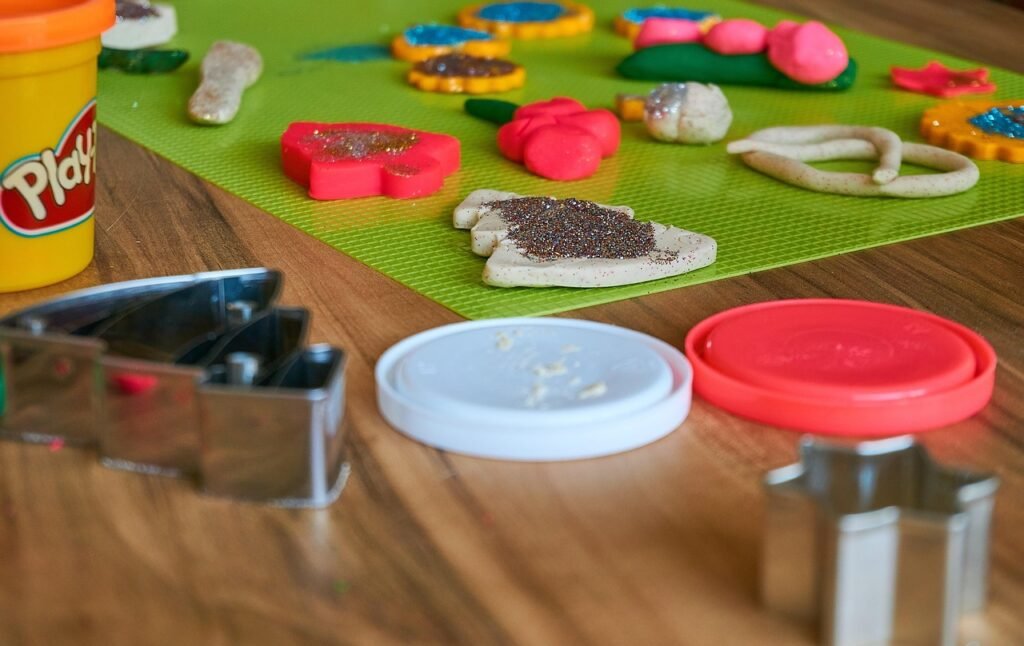
Activity 1: DIY Play Dough Fun
Materials Needed:
- Flour, salt, water, food coloring (optional), cream of tartar
- Cooking cutters, rolling pins
How to do it:
Mix the ingredients to make playdough. Let your kids shape it, cut it with cookie cutters into different shapes, and explore various colors.
This activity helps develop fine motor skills and encourages creativity.
Here is the homemade no cook- playdough recipe!
Activity 2: Indoor Treasure Hunt
Materials Needed:
- Small toys, snacks, and coins.
- Paper for clues (optional)
How to do it:
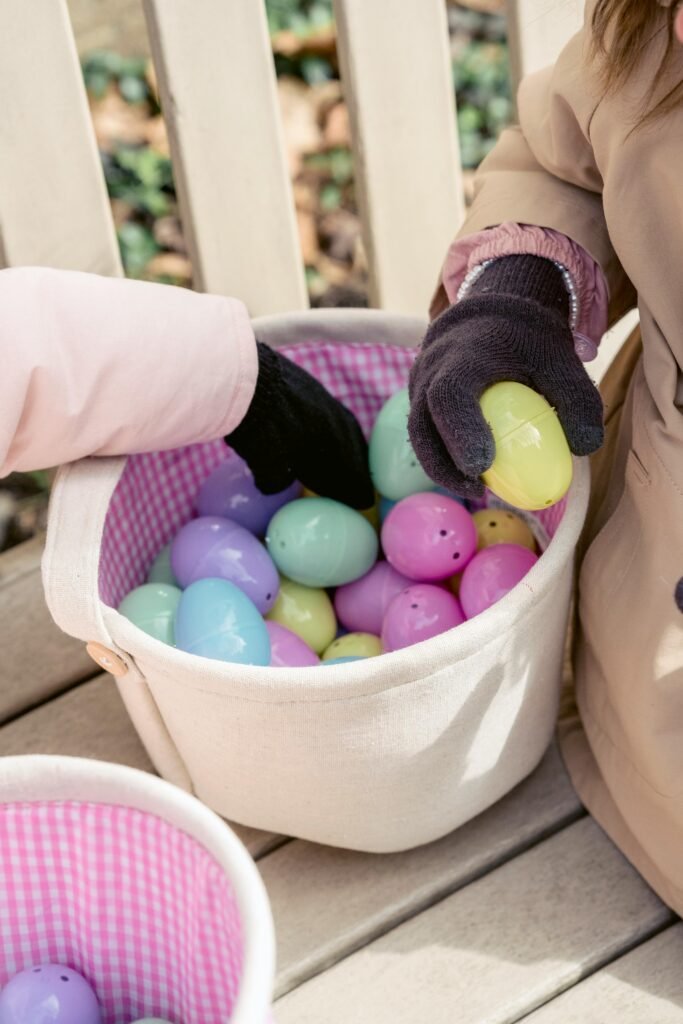
Hide small items around the house and give your kids simple clues to find them.
Guide them as they search for hidden treasures this fun game encourages problem-solving, focus, and movement.
Activity 3: Building Blocks
Materials Needed:
- Blocks
- LEGO or wooden cubes.
How to do it:
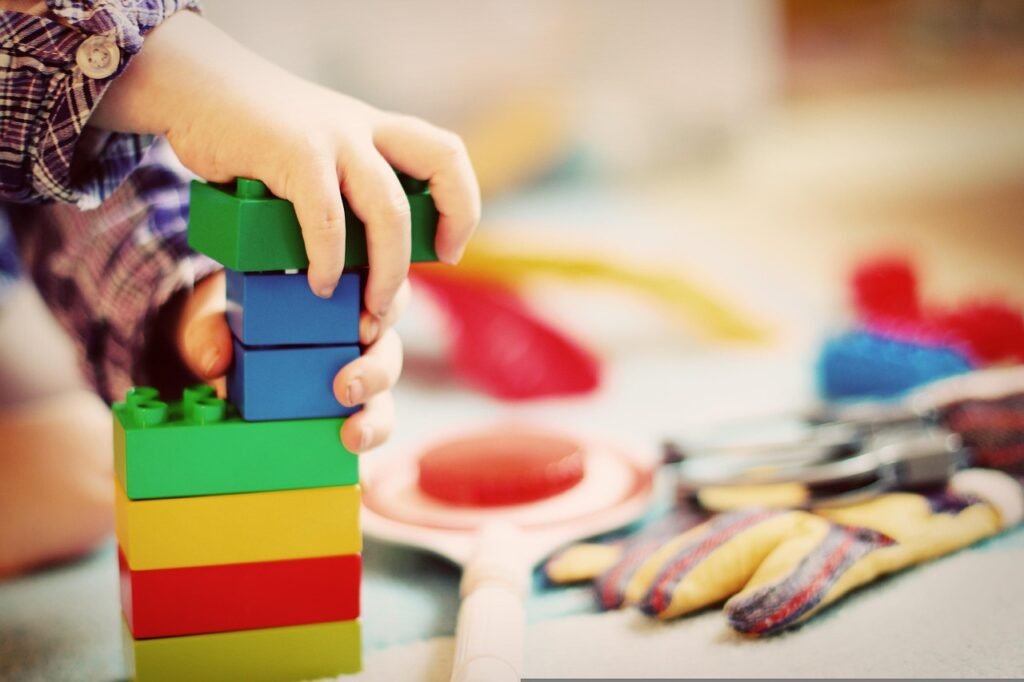
Stack and build towers or simple structures. Encourage your kids to copy patterns or make their own designs.
Great for spatial awareness and hand-eye coordination.
Activity 4: Color Sorting Game
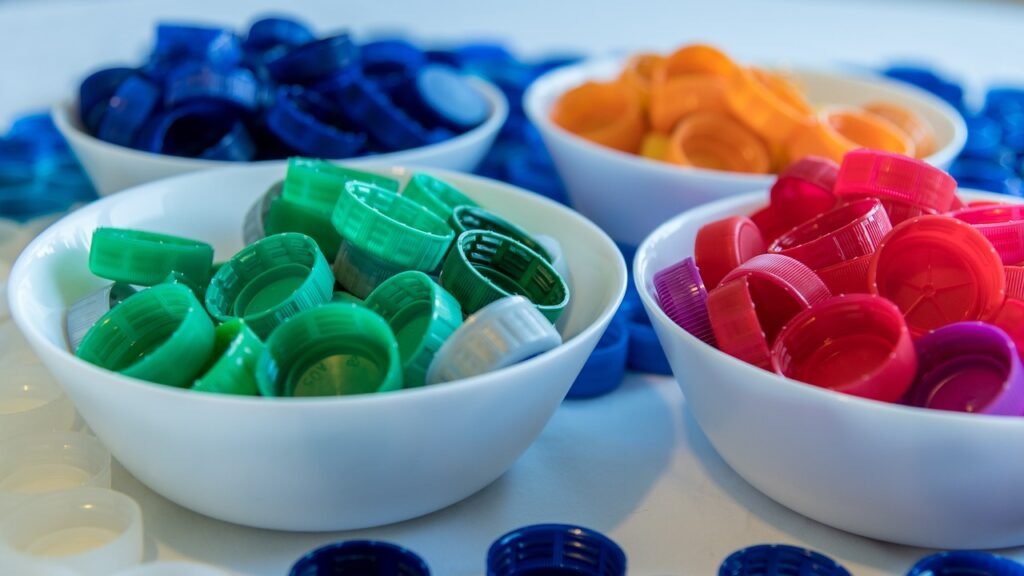
Materials Needed:
- Colored cups or bowls
- Small colored objects (pom-poms, toys, buttons)
How to do it:
Ask your little one to match objects with the same color cup or bowl.
This is perfect for learning colors and counting. And it will keep them busy too.
Activity 5: Indoor Obstacle Course
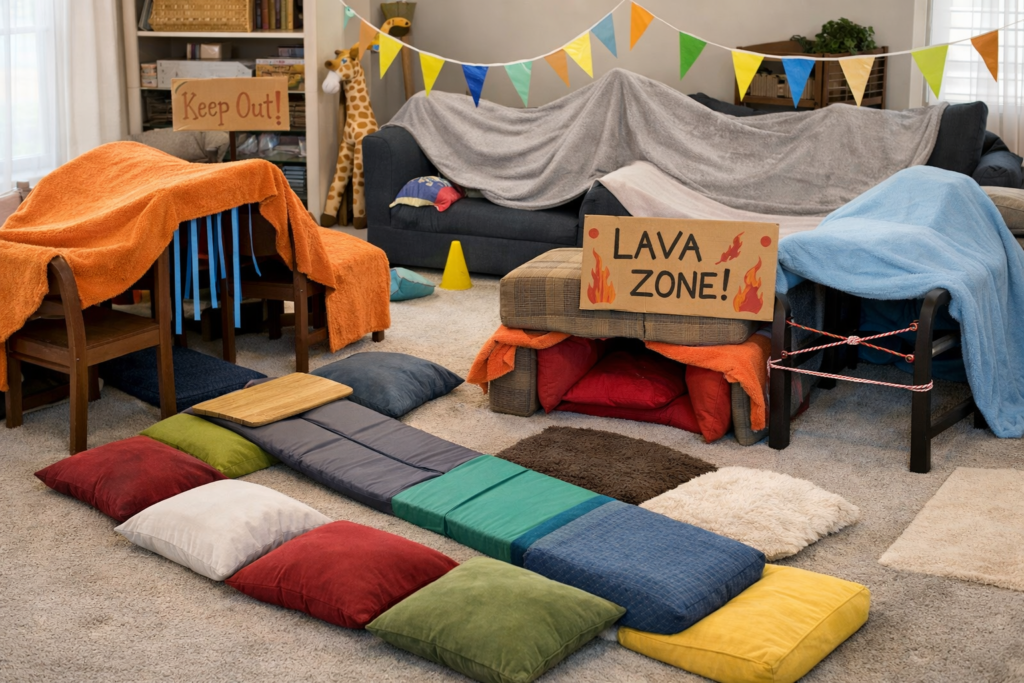
Materials Needed:
- Pillows
- chairs
- blankets
- small toys
How to do it:
Create a mini obstacle course and let your child crawl, jump, or climb through safely.
It improves gross motor skills and burns energy in a fun way.
Activity 6: Story Time with Props
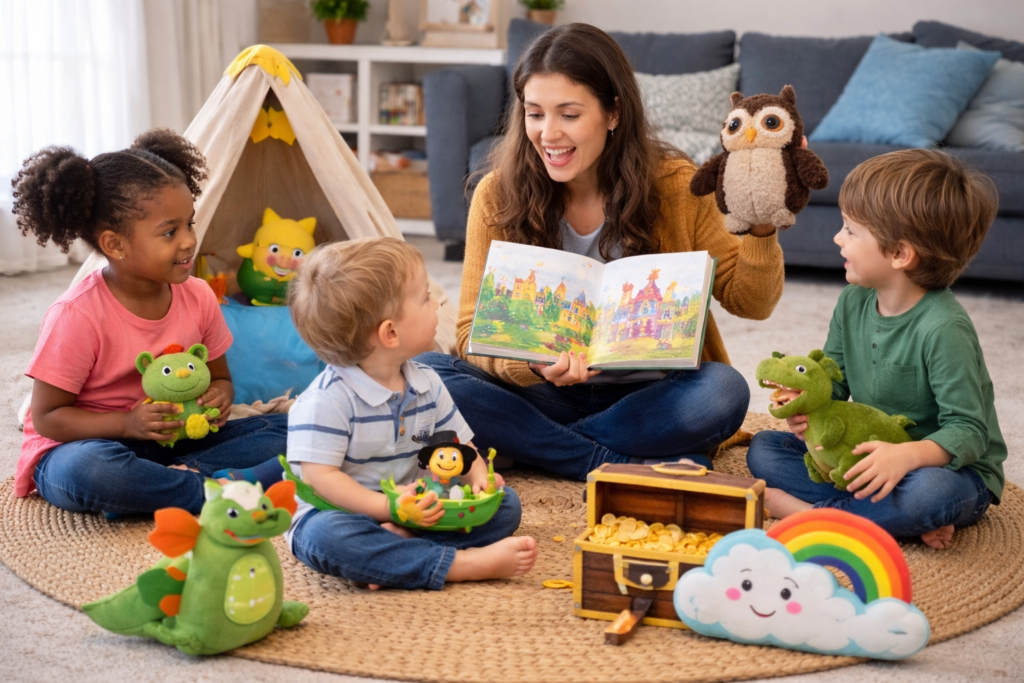
Materials Needed:
- Favorite books
- small toys or puppets
How to do it:
Read a story together and use toys or puppets to act it out.
This fun activity encourages your little one’s imagination and supports language development.
You can also explore our bedtime stories for kids age 4–6 for more fun storytelling ideas before sleep.
Activity 7: Bubble Play

Materials Needed:
- Bubble Solution
- A wand or small bottle
How to do it:
Blow bubbles indoors (in a safe area) and let your kids chase and pop them.
It might get a little messy, though, but this is great for building coordination and sharing laughter between parents and children.
Activity 8: Musical Fun

Materials Needed:
Simple instruments (drums, shakers) or household items
How to do it:
Play music and let your child dance, clap, or play instruments along.
This helps with rhythm, listening skills, and motor coordination.
Activity 9: Simple Art & Craft
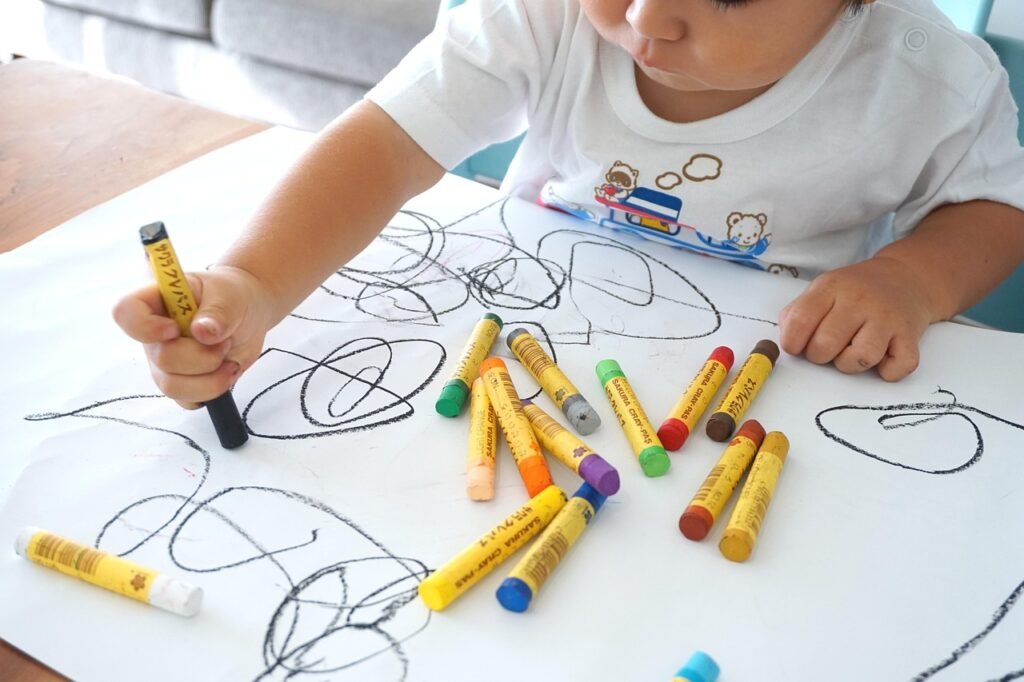
Materials Needed:
- Paper
- crayons
- stickers
- non-toxic paints
How to do it:
Encourage your kid to draw, color, or make simple crafts like hand painting.
Even a little scribbling helps strengthen their hands and boost creativity.
Related: Try these Free Letter Tracing and Coloring Worksheets for more fine motor skill activities.
Activity 10: Sensory Bin Play
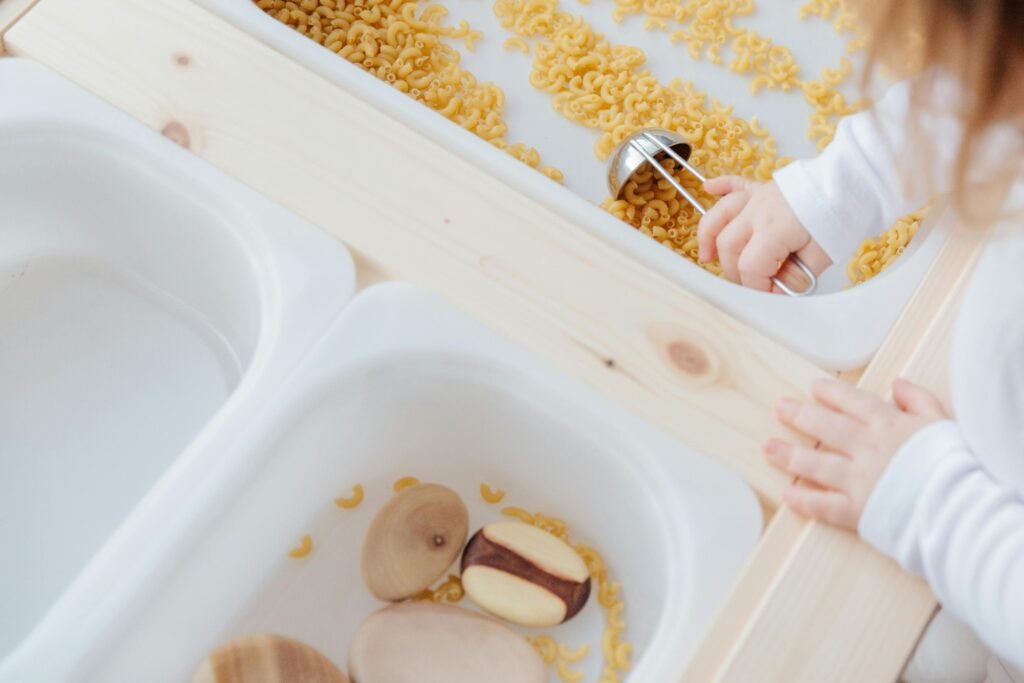
Materials Needed:
- Container
- rice/pasta
- small toys
- scoops
How to do it:
Fill a container with rice or pasta and hide small toys inside.
Let them dig and explore.
This activity enhances sensory development and focus.
These 10 indoor activities are very simple, fun and educational.
Great for keeping your little one busy while learning new skill.
I am going to try all these activities along with some more fun things to do at home this season with my little one.
Add Free Printable Alphabet Tracing Worksheets A-Z to your indoor activities list for fine motor skill development and early handwriting practice.
Which activity will you try first? I’d love to hear about your experiences.
Please share them in the comments below!