
My 4-Year-Old Won't Hold a Pencil Properly: Is This Normal? What Parents Can Do
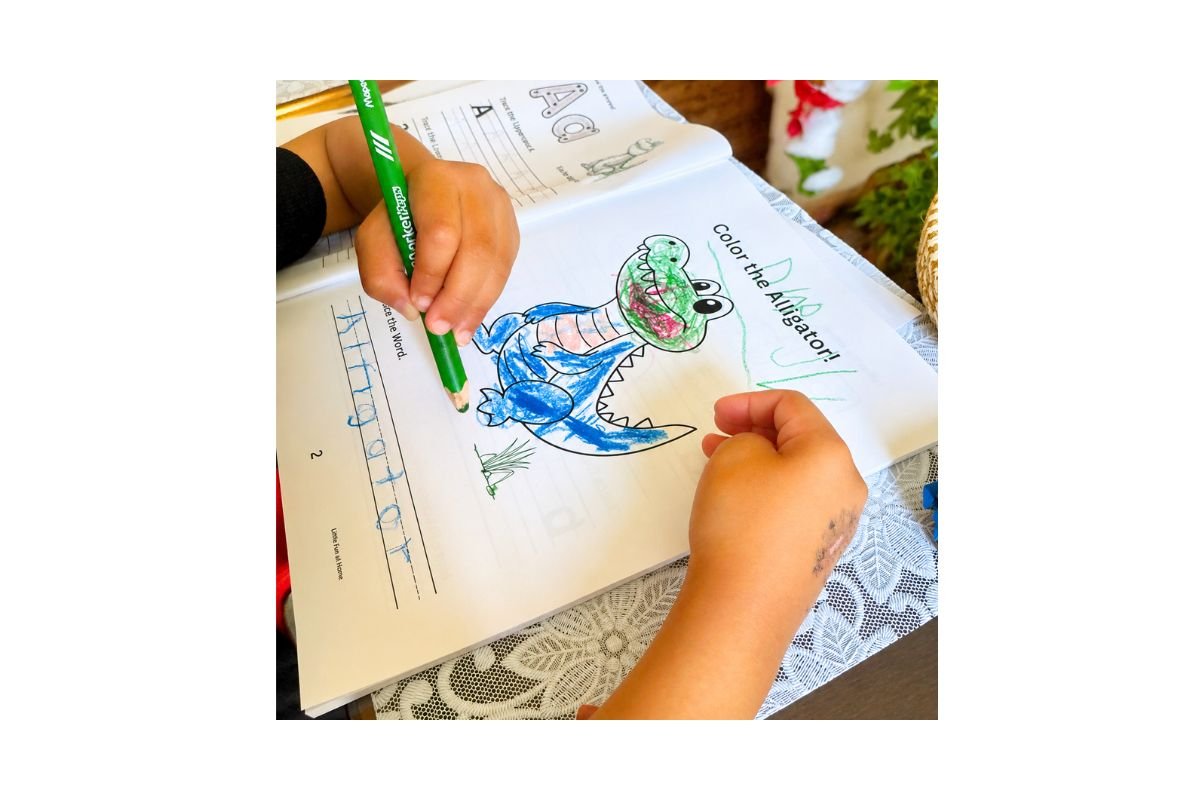
When my 4-year-old son refused to practice writing, I became very worried. I kept wondering if something was wrong or if he was having some kind of difficulty. I noticed that he often held the pencil incorrectly, and it would sometimes slip out of his hand. He would quickly lose interest in writing or drawing, which made me even more concerned.
Later, I learned about the importance of fine motor skills, and that’s when I began to understand what might be causing the problem. I realized that my son’s hand and finger muscles were still developing, and he needed more opportunities to strengthen them before he could comfortably control a pencil.
If you notice the same signs in your child, don’t worry—you are not alone. Many preschoolers need time and practice before they feel comfortable holding and controlling a pencil. Instead of forcing children to write, it’s important to help them build hand strength and fine motor skills through simple, fun, and age-appropriate activities.
As their fine motor skills improve, children can gradually become more confident and comfortable with pencil control.
Is It Normal for a Child to Struggle With Pencil Grip?
As I mentioned earlier, difficulty holding a pencil is something many parents notice during the preschool years. Even some of my friends with children in preschool and kindergarten have shared similar concerns.
The good news is that children often need patience, consistent practice, and encouragement as they develop this skill. Instead of forcing your child to write, give them opportunities to practice a little each day through fun activities.
Remember, learning how to hold a pencil properly takes time. Every child develops their fine motor skills at their own pace.
Why Does My Child Struggle to Hold a Pencil Properly?
Many parents ask, “We’ve tried all these activities, but our child still isn’t holding a pencil properly. Is something wrong?”
In many cases, there is no reason to panic. Every child develops at their own pace, and holding and controlling a pencil is a skill that develops gradually. Some children learn it quickly, while others need more time and practice.
To hold a pencil properly, children need hand and finger strength, fine motor skills, and hand-eye coordination. These abilities don’t develop overnight. They develop gradually through regular play, hands-on activities, and everyday experiences.
Common Reasons a Child May Struggle With Pencil Grip
- Hand muscles are still developing. Young children need time to build the strength required to hold and control a pencil.
- Limited fine motor practice. If children don’t spend much time coloring, drawing, building with blocks, or playing with playdough, they may have fewer opportunities to develop their hand and finger muscles.
- Hand-eye coordination is still developing. Children need to coordinate what they see with how they move their hands. This skill improves with practice.
- They aren’t interested in writing yet. Some children simply aren’t ready or motivated to practice writing, and that’s okay.
- The pencil may not feel comfortable. A pencil that is too long, too thin, or difficult to grip can make writing more challenging for some children.
Most children can improve their pencil control with regular practice and fun, hands-on activities. There’s no need to rush the process. Give your child plenty of opportunities to play, create, color, and trace. These activities can help build the foundation they need for writing.
Easy Activities to Improve Pencil Grip and Fine Motor Skills
You don’t need complicated exercises to help your child develop the skills needed for pencil control. Simple activities at home can make practice fun and enjoyable.
Play With Playdough
Playdough is a great activity for developing a child’s fine motor skills. Encourage your child to roll playdough into long snakes, make small balls, pinch different shapes, and squeeze it with their fingers.
These simple movements give the hands and fingers plenty of practice and can help build the strength needed for holding and controlling a pencil.
If you’re looking for more fun ideas, check out our 10 Easy Playdough Activities for Kids at Home.
Coloring Activity
Encourage your child to color simple pictures, such as their favorite animals, flowers, or cartoon characters. Ask them to try staying inside the lines while using crayons or colored pencils.
You can also try these free printable coloring pages. Coloring gives children an opportunity to practice hand control, strengthen fine motor skills, and develop the pencil control they will need for writing.
Practice Tracing Activities
Tracing is a simple way to help your child become more comfortable holding and controlling a pencil.
Start with easy tracing activities such as:
- Straight lines
- Curved lines
- Shapes tracing
- Alphabet tracing
- Number tracing
At first, your child may hold the pencil in an unusual way or change their grip frequently. That’s okay. Instead of correcting them constantly, gently show them how to hold the pencil and give them plenty of opportunities to practice.
The goal is to make tracing enjoyable rather than stressful.
Cutting Activities
Cutting with child-safe scissors can help children develop hand strength, coordination, and control.
Try simple activities such as:
- Cutting along straight lines
- Cutting out simple shapes
- Making easy paper crafts
Always supervise young children when they are using scissors.
Building Blocks Activity
Help your child practice simple block activities. Stacking and building with blocks can strengthen the small muscles in their hands and fingers while also improving hand-eye coordination.
As your child carefully stacks blocks on top of one another, they practice grasping, balancing, positioning, and controlling their hand movements.
These skills can help prepare little hands for everyday activities such as holding a pencil, coloring, drawing, and writing.
How to Hold a Pencil Properly
For many preschoolers, you can introduce the tripod grip, where the pencil is held using the thumb, index finger, and middle finger.
Here are some simple steps to help your child learn how to hold a pencil properly:
1. Place the Pencil Between the Thumb and Index Finger
Help your child hold the pencil gently rather than squeezing it tightly.
2. Rest the Pencil on the Middle Finger
The middle finger should support the pencil from underneath while the thumb and index finger help control it.
3. Keep the Fingers Relaxed
A very tight grip can make the hand tired and uncomfortable. Remind your child to hold the pencil gently.
4. Hold the Pencil Slightly Above the Tip
Holding the pencil a little above the tip can give your child enough space to see what they are drawing or writing and may make it easier to control the pencil.
5. Let the Hand and Wrist Move Naturally
Encourage your child to move the pencil using their fingers and hand without putting too much pressure on the paper.
Remember that young children may not immediately use a perfect tripod grip. The goal is to help them develop comfortable and functional pencil control rather than constantly correcting their grip.
Conclusion
Every child develops at their own pace. Instead of telling your child that they are holding the pencil “the wrong way,” give them plenty of opportunities to practice through fun activities such as coloring, tracing, building with blocks, and playing with playdough.
With patience, encouragement, and regular practice, your child can gradually develop stronger hands and better pencil control.
Remember to keep learning playful and celebrate every small success along the way!
Frequently Asked Questions
At What Age Should a Child Hold a Pencil Properly?
Every child develops their skills at their own pace. Some children learn to hold and control a pencil during preschool, while others may develop this skill later in kindergarten.
Rather than focusing only on a specific age, pay attention to your child’s overall progress with fine motor skills, drawing, coloring, and other hand activities.
Does Coloring Improve Pencil Grip?
Yes, coloring can be a helpful way to develop the skills needed for pencil control. Encourage your child to color simple pictures using crayons or colored pencils.
Coloring gives children an opportunity to practice hand control while developing fine motor skills in a fun and engaging way.
Is a Fist Grip Normal?
A fist grip can be normal for younger children who are still developing their fine motor skills. As their hand and finger muscles become stronger and their hand-eye coordination improves, they may gradually develop a more mature pencil grip.
Should I Buy Pencil Grips?
Pencil grips can be helpful for some children, but they are not always necessary.
Before buying one, focus on building your child’s hand strength and fine motor skills through playful activities such as playdough, coloring, tracing, and drawing.
If your child is over four years old, has started school, and is still having difficulty holding a pencil, consider talking with their teacher. They can offer helpful feedback and suggest activities to support your child’s development.
If the difficulty continues or you have ongoing concerns about your child’s fine motor skills, you can also speak with an occupational therapist for guidance.